
Yesterday (12.08.2025), I had the opportunity to meet David at Bodegas Murua in Elciego, Rioja Alavesa.
Upon arrival, we headed straight to the vineyard, connecting with the vines. I always find it fascinating to see how they evolve over time—every season looks different. 🌱🍇
David shared the current situation in Rioja. This year has been challenging for the vineyards, and many wineries may not reach the maximum kilos of grapes allowed for harvest. But all is not lost — lower yields this year can actually help the vines recover strength, potentially leading to an exceptional harvest next year.
Some facts:
-
As of mid-July 2025, over 37,000 hectares of crops across La Rioja have been affected by hailstorms.
-
The 2024 harvest was tough, with only 276 million kilos of grapes harvested.
-
2025 is bringing its own challenges: climatic volatility, disease pressure, and economic strain.
For winemakers, this volatility means protecting the vines and predicting the harvest has never been harder. Hail + mildew + heat/humidity this year feels like a perfect storm. Rioja’s winemakers are becoming more flexible, tech-savvy, and proactive than ever—not just reacting to problems, but anticipating them weeks in advance.
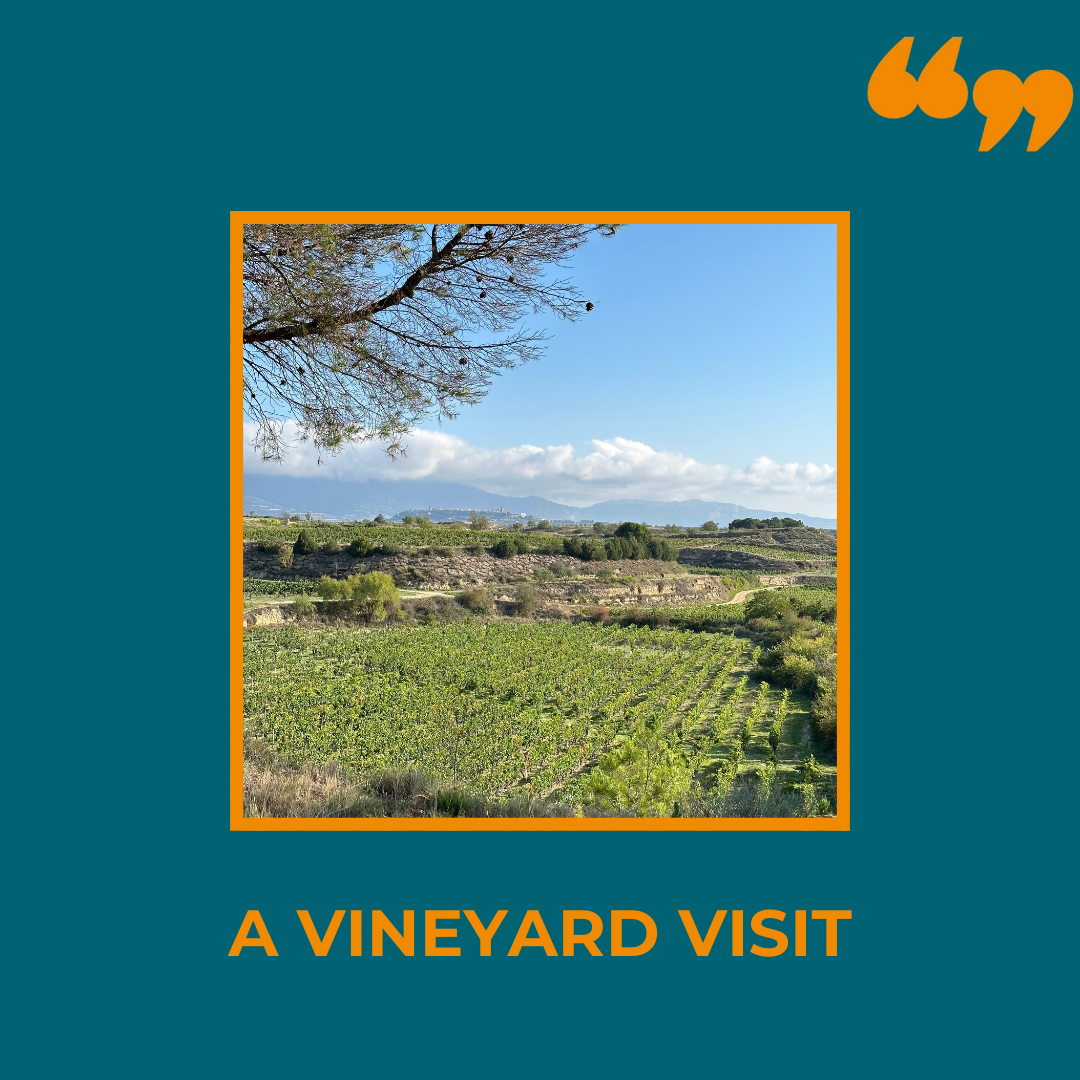
Topography (Photo 1):
The landscape of Rioja Alavesa plays a key role in its wine style:
-
Landscape & elevation
-
Slope orientation
-
Soils
-
Small parcel (plot) structure
-
Climate influence
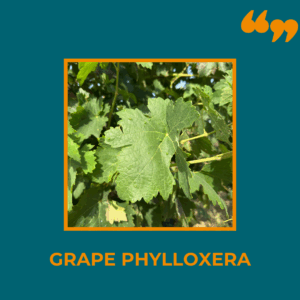
Grape Phylloxera (Photo 2):
Here’s a Tempranillo grapevine leaf with galls, the small, wart-like swellings where phylloxera insects and eggs reside.
Did you know? Phylloxera mainly attacks the roots of Vitis vinifera, the most common grapevine species for winemaking. In Rioja, vines have been grafted since the late 19th century—European grape varieties on American rootstock.
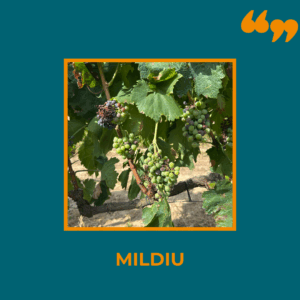
Mildiu (Photo 3):
Mildiu (downy mildew) is a fungus that attacks grapevine leaves and clusters. Copper treatments are used to protect the vines.
Did you know? With summer heat and humidity, there’s another risk: oidio (powdery mildew). Sulphur is being sprinkled to keep it at bay.
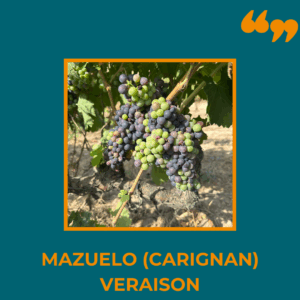
Mazuelo Veraison (Photo 4):
As summer peaks in La Rioja, the vines are ripening. Grapes transition from hard, green, and acidic to soft, pigmented, sweet, and flavorful. Red grapes develop their characteristic color, acidity drops, sugar increases, and tannins and flavor precursors form.
Seeing veraison in healthy Mazuelo clusters is like a quiet promise from the vineyard: there’s still life, potential, and hope for a quality harvest.
That’s the beauty of the vineyard: every season tells its own story, and the vines always look ahead. 🌱🍇